Ein Samia and Bardala, West Bank —
When the masked men sliced through the metal fence of the water-pumping station on a dark February evening and ran toward the squat building, the four workers inside panicked. Three fled; the fourth stayed behind. He jumped into a manhole and crouched in the cramped, dank space for 90 minutes. Above him, the attackers shattered monitors, severed electrical wires and smashed pipes.
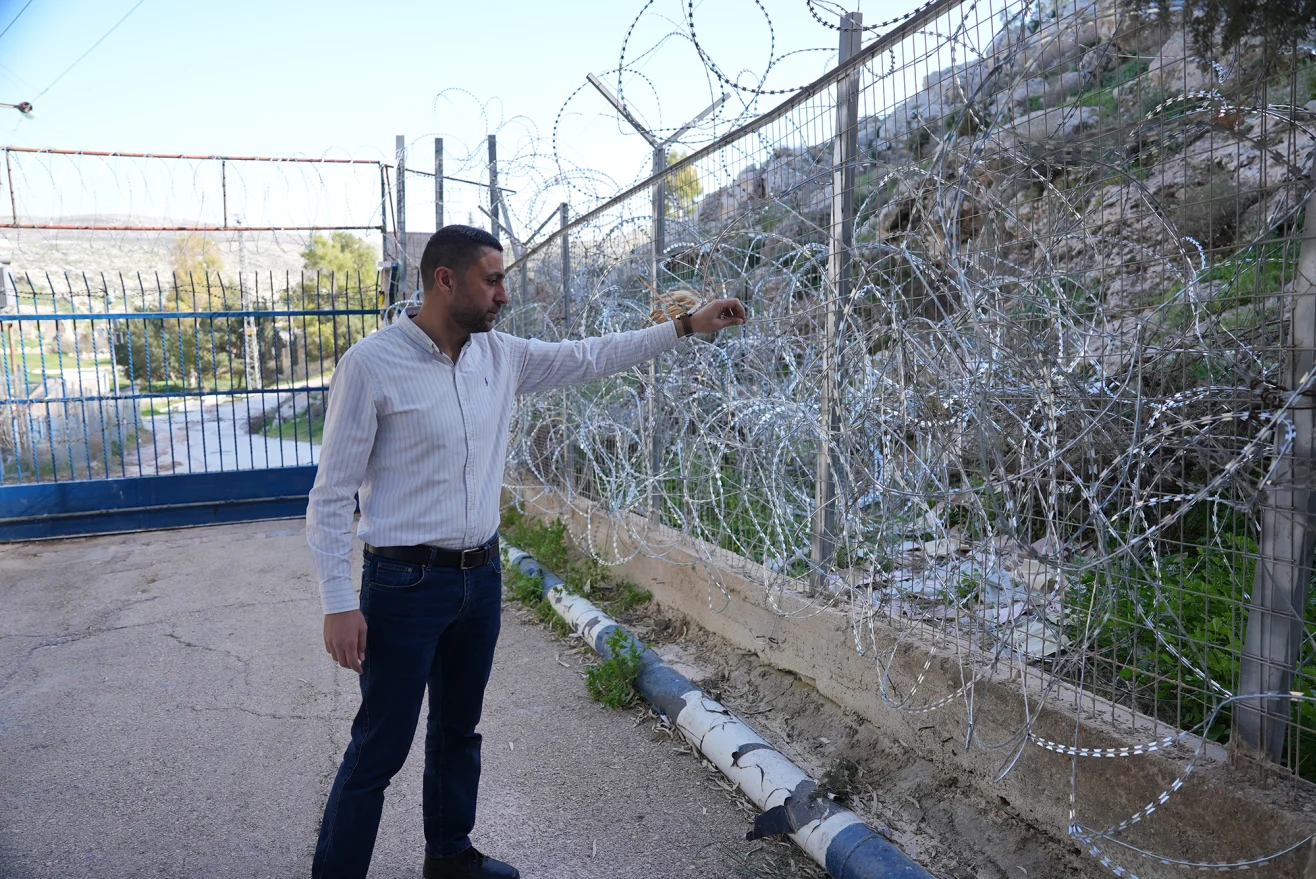
This is the threat faced by those who work in the Ein Samia pumping station in the occupied West Bank, said Mohammad Abu Ayyash, water operations director at the Jerusalem Water Undertaking, a regional public water utility, as he recounted the story of the attack to Al Jazeera.
The station, northeast of Ramallah, is a vital water hub, supplying around 100,000 Palestinians across more than 20 communities. It’s also become a target for attacks by extremist Israeli settlers. Since the beginning of the year, Ayyash said they have attacked Ein Samia at least 10 times.
The day Al jazeera was there in late February, two weeks after the attack, two settlers pulled up in an ATV and started filming on their cell phones. They’d spotted our rental car; it wasn’t safe to stay there too long, Ayyash warned.
Ein Samia is far from the only target. Attacks by settlers on Palestinian water in the West Bank have soared over recent years, according to United Nations data. The West Bank has seen a surge in settler violence in recent months amid an effort by Israel’s right-wing government to deepen control over the territory.
“The settlers now are launching a campaign to take as much water from the Palestinians as they can,” said Jad Isaac, the director general of the Applied Research Institute-Jerusalem, known as ARIJ, which promotes sustainable development in the occupied Palestinian territories
Taps can run dry for hours or days at a time, while farm animals and crops suffer — water was off for 12 hours after the February attack at Ein Samia, Ayyash said. It’s a devastating additional pressure for a region that is already water scarce, prone to droughts and heat waves that are worsening as the climate crisis escalates.
The Israeli military acknowledged it encountered incidents of violence against Palestinians and their property and said soldiers were required to act to stop any violations.